Table of content
Hey, reader 🖐
Let's talk about your current issues related to onboarding, offboarding and everything in between!
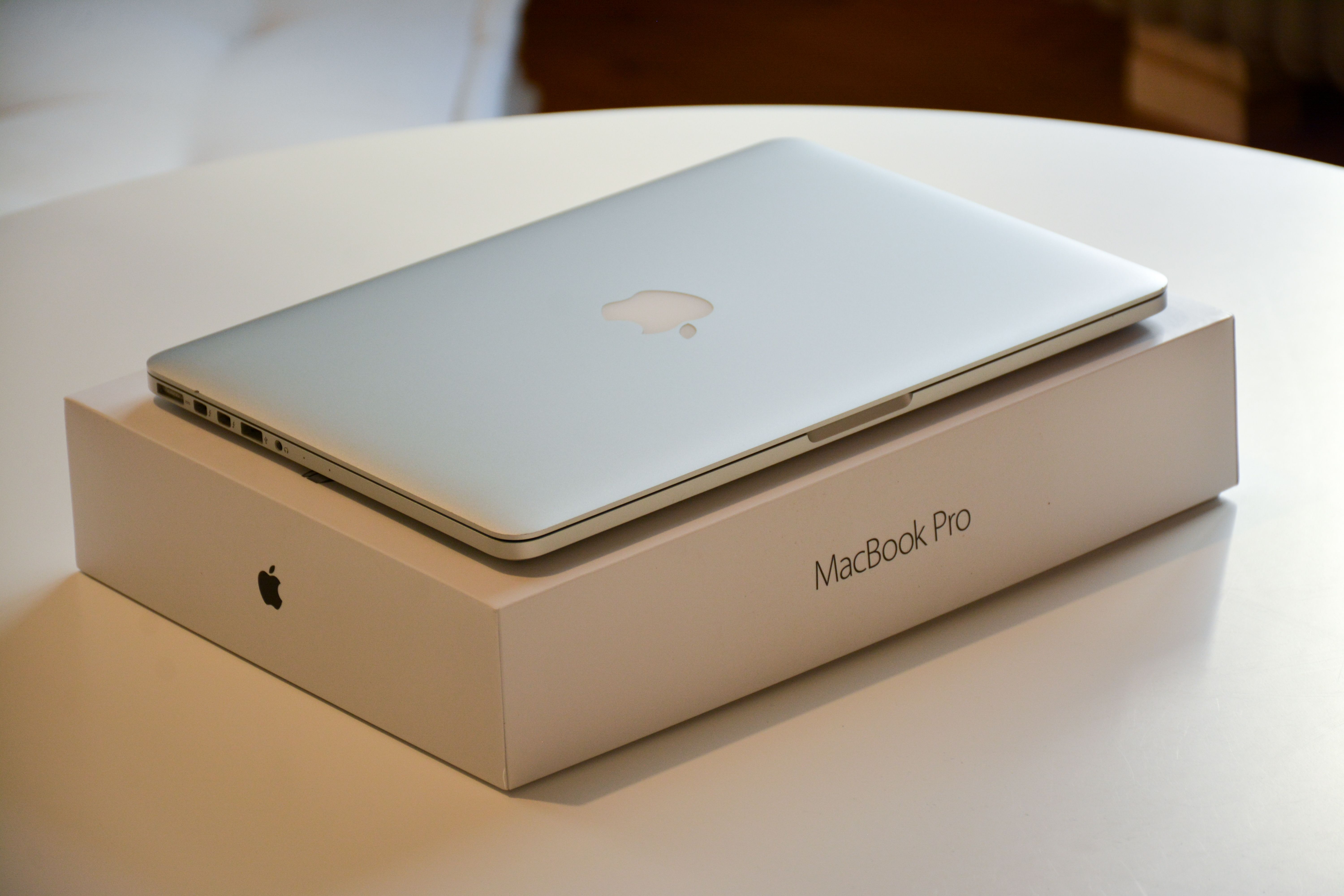
On June 25, 2026, Apple raised prices across its Macs, iPads, home devices and Vision Pro, saying it could no longer shield customers from soaring memory and storage costs driven by the AI data center boom (Bloomberg). MacBook Air rose from $1,099 to $1,299 and MacBook Pro from $1,699 to $1,999, while iPhone, Apple Watch and AirPods stayed the same for now (CBS News). This is not just an Apple story. The same memory shortage already pushed PC makers and Microsoft to raise prices earlier in the year (CBC News).
For any company that equips a distributed team, this lands directly on device budgets and every new hire. Below is what changed, what is driving it, how it affects companies, and the concrete strategies IT and procurement leaders can use to offset it in 2026.
What Apple changed
Apple's increases took effect globally on its online store, covering Macs, iPads, home devices and Vision Pro, with iPhone, Apple Watch and AirPods left unchanged for now (Bloomberg). The headline figures, per CBS News:
| Product | Old price (USD) | New price (USD) | Increase |
|---|---|---|---|
| MacBook Neo (entry-level laptop) | $599 | $699 | ~17% |
| MacBook Air | $1,099 | $1,299 | ~18% |
| MacBook Pro | $1,699 | $1,999 | ~18% |
| iPad Air | $599 | $749 | ~25% |
| iPad Pro | $999 | $1,199 | ~20% |
| Vision Pro | $3,499 | $3,699 | ~6% |
In its statement, Apple said it had "shielded our customers from these increases so far, but we have now reached a point where we need to begin raising prices on a number of products" (CBS News). Investors reacted quickly, and Apple shares fell about 6% on the news (NBC News).
The increases are concentrated exactly where companies spend. The MacBook Air and MacBook Pro are the default machines for most knowledge workers, and both went up by $200 to $300 per unit overnight.
What is behind it: the AI memory shortage
This is not a tariff story or an Apple margin story. It traces back to one component: memory.
Demand from AI data centers has absorbed an enormous share of global memory production. Hyperscale providers have signed long-term supply deals with memory makers, locking up capacity and leaving consumer device makers to compete for what remains (Bloomberg). As suppliers shift production toward the high-bandwidth memory used in AI servers, the conventional memory that goes into laptops, phones and tablets has become scarce and expensive. Industry tracker TrendForce reported that conventional DRAM contract prices rose as much as 98% in the first quarter of 2026, with a further increase of 58% to 63% expected in the following quarter (TrendForce).
For device buyers, the key fact is where that cost lands. Memory and storage have jumped to roughly 35% of a laptop's bill of materials, up from 15% to 18% a quarter earlier (TrendForce). That is why the upgrade tiers, such as more RAM or a larger SSD, are where the next round of increases will hit hardest.
Crucially, this reaches well beyond Apple. The PC makers moved months earlier under the same pressure: Dell raised prices roughly 15% to 20% from mid-December 2025, Lenovo from January 2026, and HP, Acer and ASUS warned customers of higher prices and contract resets (TrendForce). Microsoft has raised prices as well (CBC News). Apple is one of the last major makers to pass the cost on, not the first.
How long will the memory shortage last?
Long enough to plan around it as a multi-quarter reality, not a brief spike. Gartner forecasts a roughly 130% combined surge in DRAM and SSD prices by the end of 2026, which it expects to raise PC prices by about 17% versus 2025, and it does not expect meaningful relief until late 2027 (Gartner). IDC points to the same timeline, with new factory capacity only arriving in 2027 and 2028 (IDC). For budgeting, the safe assumption is elevated prices for several more quarters.
How the price increases affect companies
For an IT or procurement lead equipping a distributed team, the impact shows up in three ways.
First, mixed fleets are fully exposed. If you issue MacBooks to some teams and Dell or Lenovo machines to others, both sides of your fleet have now repriced upward, because the constraint sits upstream of every brand. There is no switch-brands-to-dodge-it move.
Second, stock and entry-level options are tightening. Under cost pressure, manufacturers tend to prune their cheapest configurations and steer buyers toward higher-margin models. The budget configuration you standardized on can quietly go out of stock or get reconfigured, so this is an availability risk, not only a price risk.
Third, your refresh budget no longer stretches as far. A 15% to 20% increase across a 200-device annual refresh is a real swing. The same budget now buys fewer machines, and that is before import duties, which stack on top of the higher base price for every cross-border hire.
What can companies do to offset rising device prices in 2026?
You cannot fix the memory market, but you can change how and when you buy. The strategies that actually move the needle in a rising-price, tight-supply year are straightforward:
- Get ahead of the next increase. For the devices you can already forecast, buying now locks today's price before the next rise and before entry-level stock thins out.
- Buy in volume. Larger, consolidated orders unlock better unit pricing and stronger terms than piecemeal purchasing.
- Source in-country. Buying devices locally secures in-country stock and removes the cross-border friction that a price increase only makes more expensive: customs clearance, broker fees, shipping delays and warranty mismatches.
- Put your current fleet to work. Recover and redeploy devices when people leave, and turn the machines you retire into value that funds the new ones, rather than letting them sit idle.
The catch is that running all of this well, across many countries, is operationally heavy. That is where a device lifecycle partner changes the math.
How a partner like quipteams helps
quipteams handles end-to-end IT device lifecycle management for distributed teams. We procure, deploy, retrieve, store, buy back and securely wipe devices in 155 countries through a network of 400+ local vendors, with delivery in 4 business days globally. Pricing is pay-per-use, with no exclusivity, no minimums and no recurring platform fees, and every account gets a dedicated account manager.
It all runs on one platform, where you control your full device inventory in real time and connect it to the systems you already use, including HRIS tools like Rippling, Deel and BambooHR. It is how distributed teams such as Revolut, Scale AI, Webflow, Ramp and Figma equip their people worldwide.
In a year of rising prices and tight supply, that turns into four practical plays.
1. Source locally and secure stock early
Instead of shipping from a central hub and paying cross-border friction on every order, we source devices inside the country where each employee works. That secures local stock ahead of possible shortages, keeps delivery fast, and standardizes configurations, warranty terms and SKUs across regions so a distributed fleet does not fragment into mismatched models. You can quote a device in any country in seconds to see the local price and delivery ETA, with no signup.
2. Buy in bulk now, and store it free until you need it
If you can project how many devices you will need over the next few quarters, you can buy them now to lock today's price and get ahead of the next increase or stock-out. We hold those devices in storage at no cost and ship them, with shipping included, only when each hire or refresh actually lands. You secure the price and the supply today, and pay to deploy only when you use them. Quote your devices now to see today's price and delivery ETA before stock tightens.
3. Trade in your old devices for credit on the new ones
Planning a refresh or a hardware swap? We quote your retiring devices for buyback and turn them into credit toward your next purchase, then quote the new devices in bulk to secure a better price and the best available terms. In practice, we buy the old fleet so it does not sit idle, give you credit, sell you the replacements locally, store them free until you need them, and manage the full cycle for you.
4. Recover, repair and redeploy devices when people leave
When an employee offboards, we retrieve the device, inspect and repair it where needed, and securely wipe the data to standard, then store it ready to reissue. When your next hire starts, that same machine gets redeployed instead of buying new. With prices high and stock tight, the device you already own is usually the cheapest one you can deploy, and we run the whole loop for you, from retrieval and repair to certified wipe, storage and redeployment.

Stay ahead of rising device prices
See how companies like Figma, Ramp, and Scale AI source and manage devices across 155 countries.
Book a demoThe bottom line
Apple's June 2026 increase is the clearest sign yet of a market-wide shift. AI demand has made memory scarce, and that is pushing up the cost of nearly every work device a company buys. Apple is following the PC makers and Microsoft, not leading them, so the prudent planning assumption is more increases ahead, not a quick reversal.
For IT and procurement teams equipping distributed workforces, the response is not to panic-buy. It is a short checklist:
- Re-baseline your per-seat hardware cost and build a 15% to 20% contingency into next year's device budget.
- Lock pricing on the demand you can already forecast.
- Buy in volume and source locally to secure stock and skip cross-border friction.
- Recover value from the fleet you already own to fund the new one.
Handled well, the next few quarters are something you buy on your own terms rather than the market's.
Frequently asked questions
A global shortage of memory and storage chips, driven by AI data centers buying up capacity, pushed Apple's component costs up sharply, so it raised prices on Macs, iPads, home devices and Vision Pro on June 25, 2026 (Bloomberg).
MacBook Air rose to $1,299 (from $1,099), MacBook Pro to $1,999 (from $1,699), iPad Air to $749 (from $599), iPad Pro to $1,199 (from $999), and Vision Pro to $3,699 (from $3,499). iPhone, Apple Watch and AirPods were unchanged (CBS News).
No. The shortage is industry-wide. Dell, Lenovo, HP and Microsoft raised prices earlier in 2026 over the same memory crunch, so mixed fleets are affected across every brand (CBC News).
Most likely yes for several more quarters. Gartner forecasts a roughly 130% surge in combined DRAM and SSD prices by the end of 2026 and does not expect meaningful relief until late 2027 (Gartner).
The most effective moves are buying ahead of the next increase, buying in volume, sourcing devices locally to secure stock, and recovering value from retiring devices. A device lifecycle partner such as quipteams can run all of this, including bulk purchasing with free storage until you need the devices and buyback credit toward new ones.
quipteams helps companies offset the 2026 increases in four ways. It sources devices locally in 155 countries to secure stock and skip cross-border costs. It lets you buy in bulk now and stores them free until you need them, so you lock today's price ahead of the next rise. It buys back your retiring devices for credit toward new ones. And it recovers, repairs, securely wipes and redeploys devices when employees leave, so your existing fleet keeps working instead of buying new. Everything runs on one platform with pay-per-use pricing and a dedicated account manager, which is why distributed teams like Revolut, Scale AI, Webflow and Ramp use it to equip people worldwide.
.svg)